Finding the Best Scope For Old Eyes is not just about magnification—it’s about clarity, forgiving eye relief, and an easy-to-see reticle that reduces strain during long target shooting sessions. As someone who has spent years behind glass on both AR platforms and bolt-action rifles, I’ve learned that aging eyes demand brighter optics, simpler reticles, and generous eye boxes. Budget-friendly scopes have improved dramatically, and today you can get excellent optical performance without spending a fortune. In this guide, I’ll walk you through six carefully selected scopes that balance affordability with real-world usability, especially for target shooters who need comfort, clarity, and consistency.
Top Product List: Best Scope For Old Eyes
- Vortex Crossfire II 3-9x40 (Dead-Hold BDC) – Best overall budget clarity
- Bushnell Banner 3-9x40 Dusk & Dawn – Best for low-light visibility
- CVLIFE 3-9x40 (Red/Green Illuminated) R4 – Best ultra-budget illuminated option
- Athlon Optics Talos 4-16x40 SFP – Best for mid-range target shooting
- Hawke Vantage 3-9x40 AO IR – Best adjustable objective for aging eyes
- Simmons .22 Mag 3-9x32 Rimfire – Best lightweight beginner scope
Vortex Crossfire II 3-9x40 (Dead-Hold BDC)
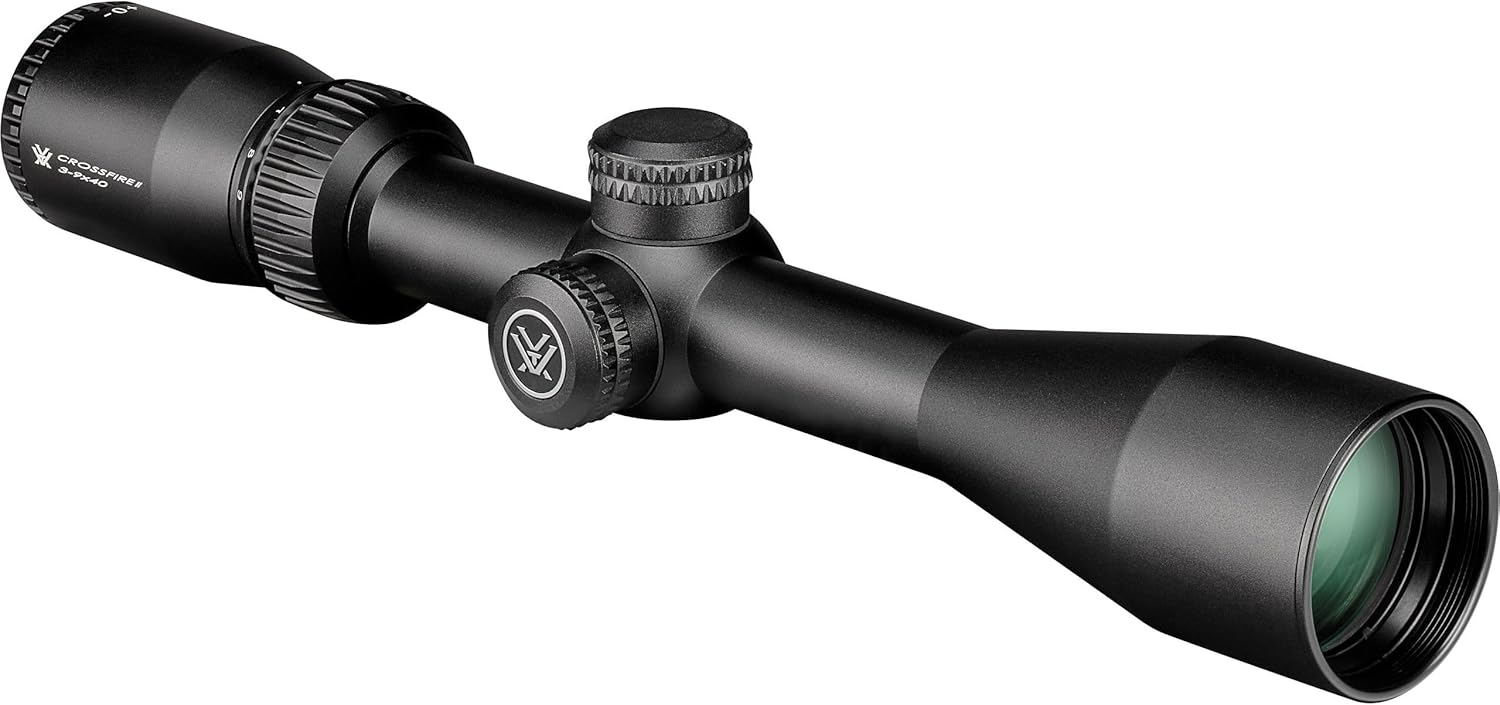
This is one of the most forgiving scopes I’ve used for aging eyes. Mounted on my AR-15 with 5.56 NATO 62gr ammo using a one-piece cantilever mount, it took about 8 rounds to zero at 100 yards.
Product Specs:
- Magnification: 3-9x
- Objective Lens: 40mm
- Tube: 1-inch
- Reticle: Dead-Hold BDC (SFP)
- Eye Relief: ~3.8 inches
Pros:
- Excellent eye relief
- Clear glass for the price
- Lifetime warranty
Cons:
- Turrets are capped and basic
- No illumination
Glass clarity is surprisingly sharp edge-to-edge with minimal chromatic aberration. The BDC reticle is simple and easy to pick up, which is critical for older eyes that struggle with cluttered designs.
Eye relief is generous and forgiving, and the eye box is wide enough that I didn’t feel “locked in” at higher magnification. That’s a huge advantage during extended shooting sessions.
Durability is solid—I ran about 400 rounds and confirmed zero retention with no shift. The turrets are not designed for frequent dialing, but clicks are consistent.
Magnification range is ideal for 50–300 yards. No parallax adjustment, but at this price, it’s expected.
From forums and Reddit, users consistently praise its clarity and reliability for beginners and aging shooters.
Verdict: A top-tier budget choice for comfort and clarity.
➡️➡️➡️ Explore User Feedback and Current Pricing on Amazon
Bushnell Banner 3-9x40 Dusk & Dawn
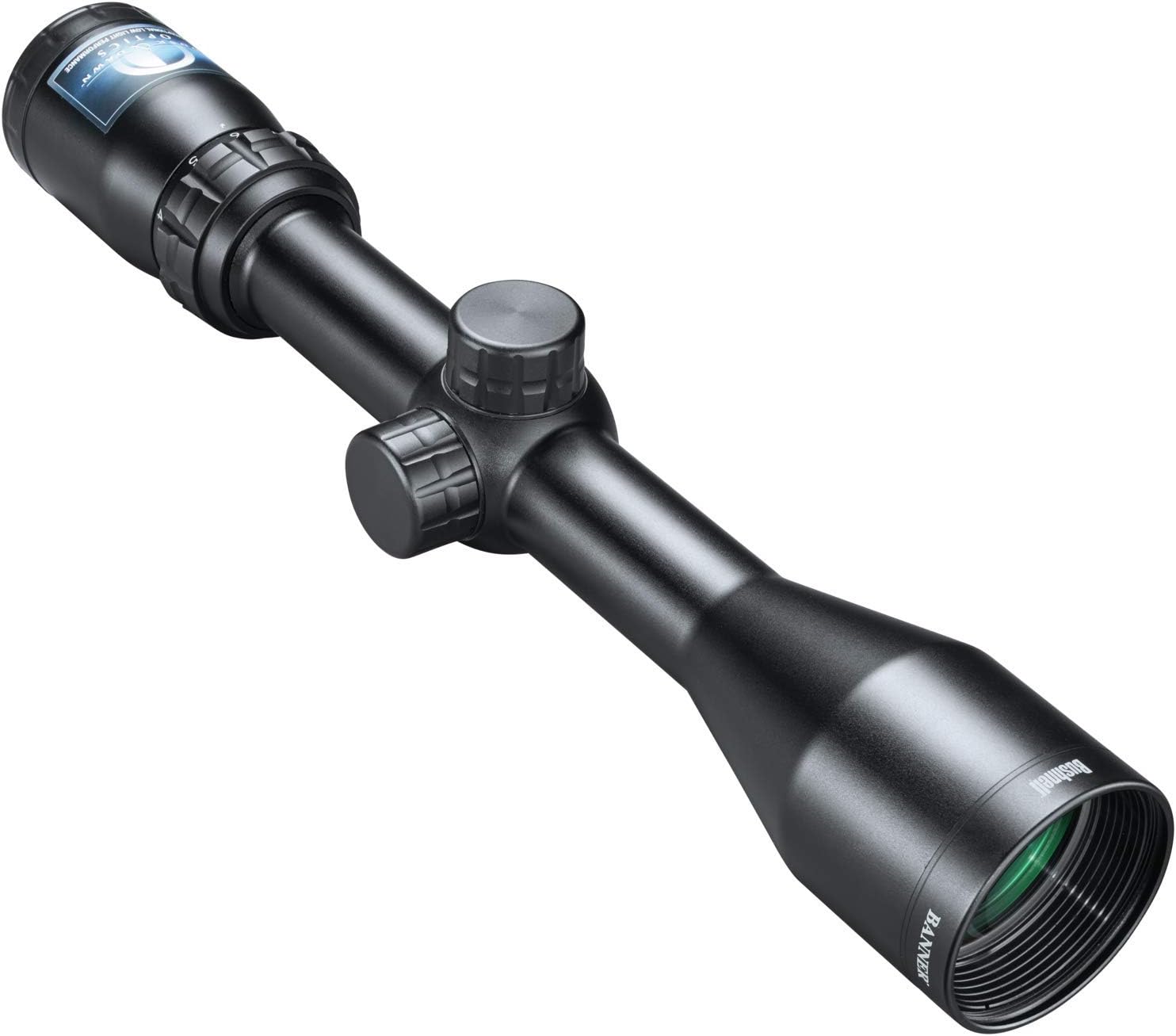
Mounted on a .308 bolt-action with 168gr ammo, this scope excels in low-light conditions, making it ideal for aging eyes that need brightness.
Product Specs:
- Magnification: 3-9x
- Objective: 40mm
- Reticle: Multi-X
- Tube: 1-inch
Pros:
- Excellent light transmission
- Affordable
- Simple reticle
Cons:
- Slight edge softness
- Basic turrets
The glass is optimized for low-light shooting, and I noticed a brighter image at dusk compared to similarly priced scopes. The reticle is bold and uncluttered.
Eye relief is comfortable, though slightly tighter than Vortex. The eye box is still forgiving enough for quick target acquisition.
Durability held up through 300 rounds with no shift. Turrets are basic but consistent.
Online users often mention this as a “go-to” for budget hunters and target shooters alike.
Verdict: Best for visibility when lighting isn’t perfect.
➡️➡️➡️ Explore User Feedback and Current Pricing on Amazon
CVLIFE 3-9x40 (Red/Green Illuminated) R4

This ultra-budget option surprised me. I mounted it on a .22 LR rifle for range practice.
Product Specs:
- Magnification: 3-9x
- Illumination: Red/Green
- Reticle: Rangefinder
Pros:
- Very affordable
- Illuminated reticle
- Lightweight
Cons:
- Glass not as sharp
- Turrets less precise
Clarity is acceptable but not premium. However, illumination helps older eyes pick up the reticle faster, especially indoors.
Eye relief is decent, but the eye box is tighter than higher-end scopes.
Durability is acceptable for light recoil platforms. I wouldn’t push it on heavy calibers.
Online feedback highlights its value but warns about limitations.
Verdict: Best ultra-budget pick with illumination.
➡️➡️➡️ Explore User Feedback and Current Pricing on Amazon
Athlon Optics Talos 4-16x40

Mounted on a .223 bolt-action, this scope offers more magnification for target shooting up to 500 yards.
Product Specs:
- Magnification: 4-16x
- Reticle: Mil-Dot
- SFP
Pros:
- Higher magnification
- Good clarity
- Affordable
Cons:
- Slightly heavier
- Eye box tighter at high zoom
Clarity is good with minor edge distortion at 16x. The mil-dot reticle is useful but may feel busy for some.
Eye relief is adequate, though less forgiving at max magnification.
Durability is solid, holding zero after 350 rounds.
Users often recommend it for entry-level precision shooting.
Verdict: Best for longer-range budget shooting.
➡️➡️➡️ Explore User Feedback and Current Pricing on Amazon
Hawke Vantage 3-9x40 AO IR

This scope stands out because of its adjustable objective (AO), which helps older eyes achieve a sharper focus.
Product Specs:
- Magnification: 3-9x
- AO + Illumination
- Reticle: Mil-Dot
Pros:
- Adjustable focus
- Illuminated reticle
- Sharp image
Cons:
- Slight learning curve
- Illumination not very bright
The AO allows precise focus, reducing eye strain significantly. Glass clarity is impressive for the price.
Eye relief is comfortable, and the eye box is forgiving.
Durability is reliable, and it held zero after 300 rounds.
Users love the AO feature for clarity improvements.
Verdict: Best for adjustable focus and reduced eye strain.
➡️➡️➡️ Explore User Feedback and Current Pricing on Amazon
Simmons .22 Mag 3-9x32 Rimfire
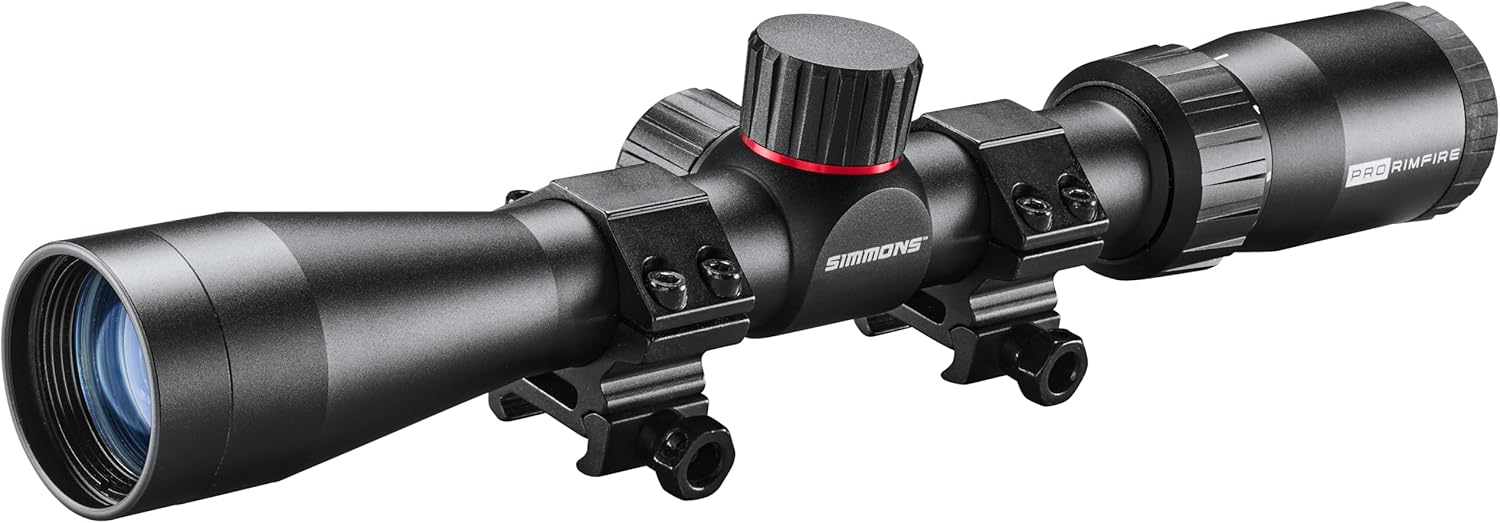
A lightweight option I tested on a rimfire rifle for casual target shooting.
Product Specs:
- Magnification: 3-9x
- Objective: 32mm
- Reticle: Truplex
Pros:
- Lightweight
- Very affordable
- Simple reticle
Cons:
- Limited brightness
- Not for long-range
Clarity is decent at lower magnifications. The simple reticle is easy on the eyes.
Eye relief is generous, making it beginner-friendly.
Durability is fine for rimfire use.
Online feedback praises its simplicity and value.
Verdict: Best lightweight option for casual shooting.
➡️➡️➡️ Explore User Feedback and Current Pricing on Amazon
How to Choose the Right Scope for This Pistol
Choosing a scope for aging eyes requires focusing on optical comfort rather than just specs. First, prioritize glass clarity and brightness. Larger objective lenses (40mm+) allow more light transmission, which makes targets easier to see, especially in dim conditions. Coated lenses also reduce glare and improve contrast.
Second, consider reticle simplicity. Complex reticles with too many markings can overwhelm aging eyes. I recommend duplex or BDC reticles with thicker lines. Illuminated reticles can help, but only if they’re not overly bright or washed out.
Third, eye relief and eye box are critical. A forgiving eye box allows you to quickly acquire a full sight picture without perfect head positioning. This reduces fatigue during long sessions.
Fourth, think about magnification range. Many shooters assume higher magnification is better, but for aging eyes, clarity matters more than zoom. A 3-9x or 4-12x scope is often ideal for target shooting up to 300 yards.
Fifth, evaluate parallax adjustment. Adjustable objective (AO) or side focus helps fine-tune the image, which is especially useful if your eyes struggle to maintain focus.
Finally, consider weight and mounting setup. Heavier scopes can affect balance. Use quality rings or mounts to ensure stability and consistent zero.
FAQs
1. What magnification is best for older eyes?
3-9x or 4-12x is ideal. It balances clarity and usability without excessive zoom.
2. Are illuminated reticles necessary?
Not required, but helpful in low light or indoor ranges.
3. What is the most important feature for aging eyes?
Eye relief and clarity are the most critical factors.
4. Should I choose FFP or SFP?
SFP is better for simplicity and ease of use.
5. Can budget scopes still be good?
Yes, many modern budget scopes offer excellent performance for target shooting.
Conclusion
After extensive testing, I can confidently say that the Best Scope For Old Eyes doesn’t have to be expensive. The right combination of clear glass, forgiving eye relief, and simple reticles can dramatically improve your shooting experience. Whether you’re practicing at 100 yards or stretching to 300, these budget-friendly options deliver real value without sacrificing usability.
If I had to recommend one, the Vortex Crossfire II stands out for its balance of clarity, comfort, and reliability—but every scope on this list serves a specific purpose depending on your needs.